
Preparing a Hickory, NC home for sale is about directing time and budget toward the details buyers can see, feel, and understand. Start with repairs and cleaning, then shape each room for easy viewing and pair the finished presentation with a thoughtful pricing conversation. Blanton Real Estate Group can help you build a plan that fits your property, timing, and goals.
Putting a home on the market can feel like a long checklist, but a smart preparation plan does not require changing everything at once. The goal is to help buyers see the home clearly, comfortably, and without avoidable distractions. For homeowners preparing to sell in Hickory, NC, that means focusing first on condition, presentation, and the information needed for a well-grounded pricing discussion.
Every property has a different starting point. A well-maintained home may need only decluttering, deep cleaning, and updated photography; another may benefit from targeted repairs or a little more preparation before it is introduced to buyers. Use this guide to prioritize the work that can make your home easier to evaluate and easier to remember.
Start With a Practical Hickory, NC Home-Sale Plan
Before buying paint or moving furniture, take a slow walk through your Hickory, NC home as if you were seeing it for the first time. Begin at the curb, continue through the entry, and notice what your eye lands on in each room. Make two lists: items that need repair and items that simply need to be simplified or refreshed. This approach keeps small projects from becoming an unfocused renovation.
Prioritize anything that signals deferred maintenance. Loose hardware, dripping faucets, stained caulk, damaged screens, burned-out bulbs, sticking doors, and visible wall damage can pull attention away from the home’s strengths. Not every issue requires a major project, but addressing straightforward repairs demonstrates care and gives buyers fewer reasons to wonder what else may have been overlooked.
The best preparation plan is selective, not automatic. Put attention on visible condition, functional basics, and the spaces buyers use to compare one home with another.
Then consider timing, budget, and daily life. If you are still living in the home, choose a plan you can maintain between showings. A smaller number of completed projects, professionally cleaned rooms, and an organized storage strategy will usually serve you better than a lengthy list of unfinished ideas.
Make the First Impression Feel Cared For
Buyers begin forming an impression before they reach the front door. Exterior presentation is not about creating a magazine-perfect landscape; it is about making the property feel welcoming and well maintained. Mow and edge the lawn, trim back overgrown plantings, remove leaves and debris, clean the entry, and make sure house numbers and exterior lighting are easy to see.
Look closely at the front door, porch, walkway, and driveway. Fresh mulch, a tidy mat, clean glass, and a few healthy containers can create a more intentional arrival. If the exterior needs work, ask your agent which updates are most appropriate for the property rather than assuming every cosmetic change will be worthwhile.

Inside, aim for the same sense of readiness. Replace dim bulbs with consistent, appropriately warm lighting; open blinds and curtains when practical; and remove items that compete with the architecture of the room. Buyers should be able to notice window placement, storage, flooring, and room flow without being distracted by overflowing shelves or crowded countertops.
Neutralizing does not mean removing all personality. A few well-placed accessories, clean linens, and simple artwork can make a room feel lived in without making it difficult for someone else to picture their own routines there. Personal photos, highly specific collections, and excess furniture are often worth packing early because they can make spaces feel smaller or more personal than necessary.
Prepare the Rooms Buyers Notice Most
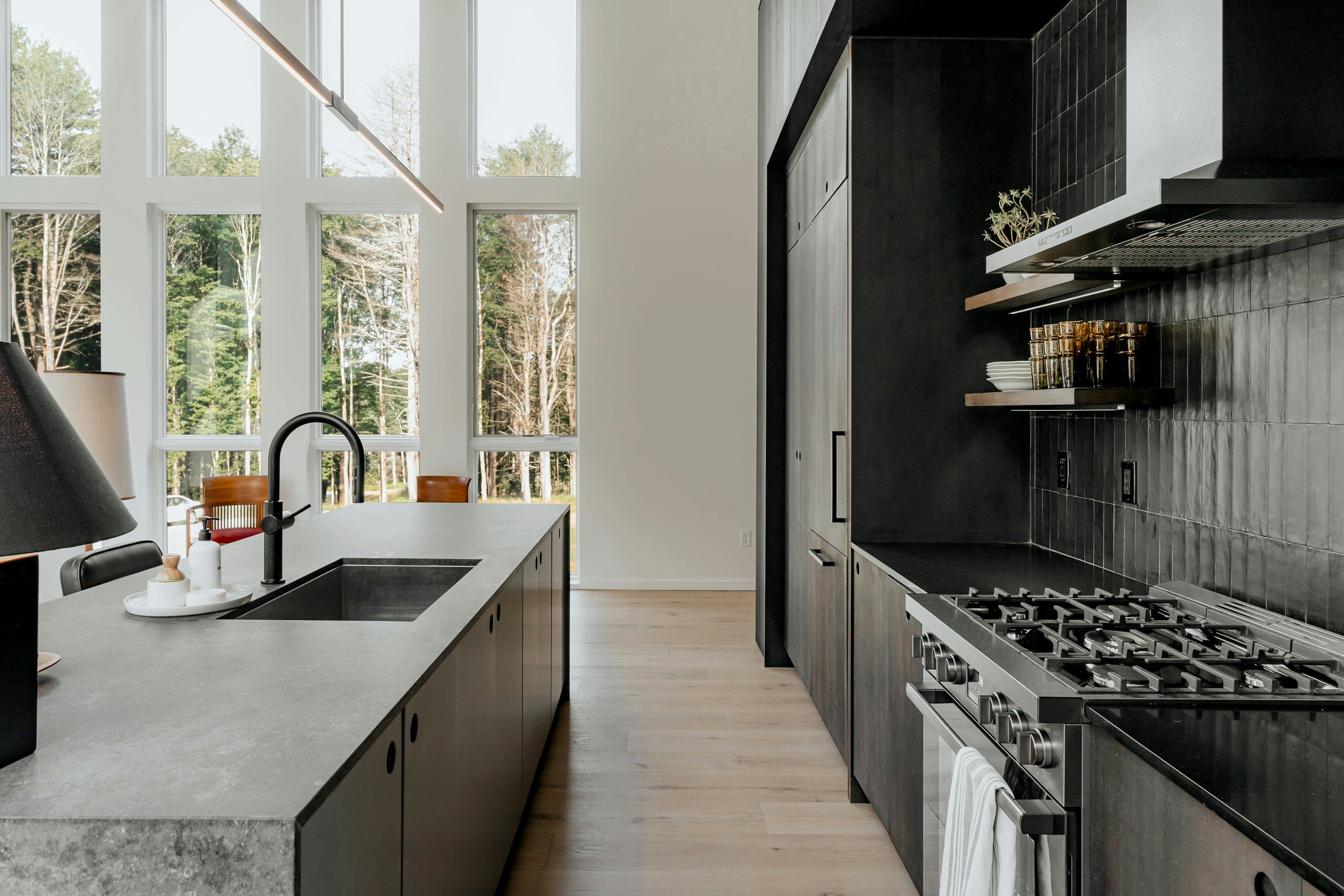
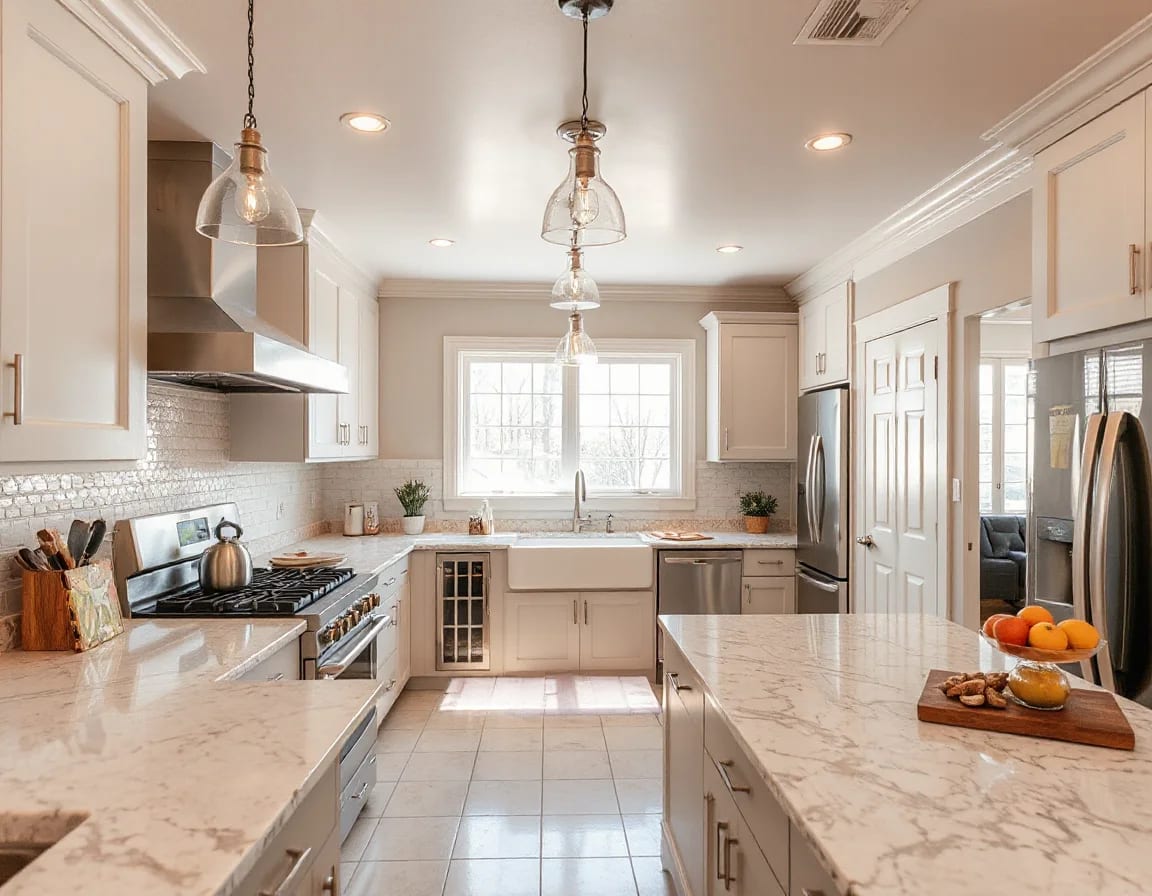
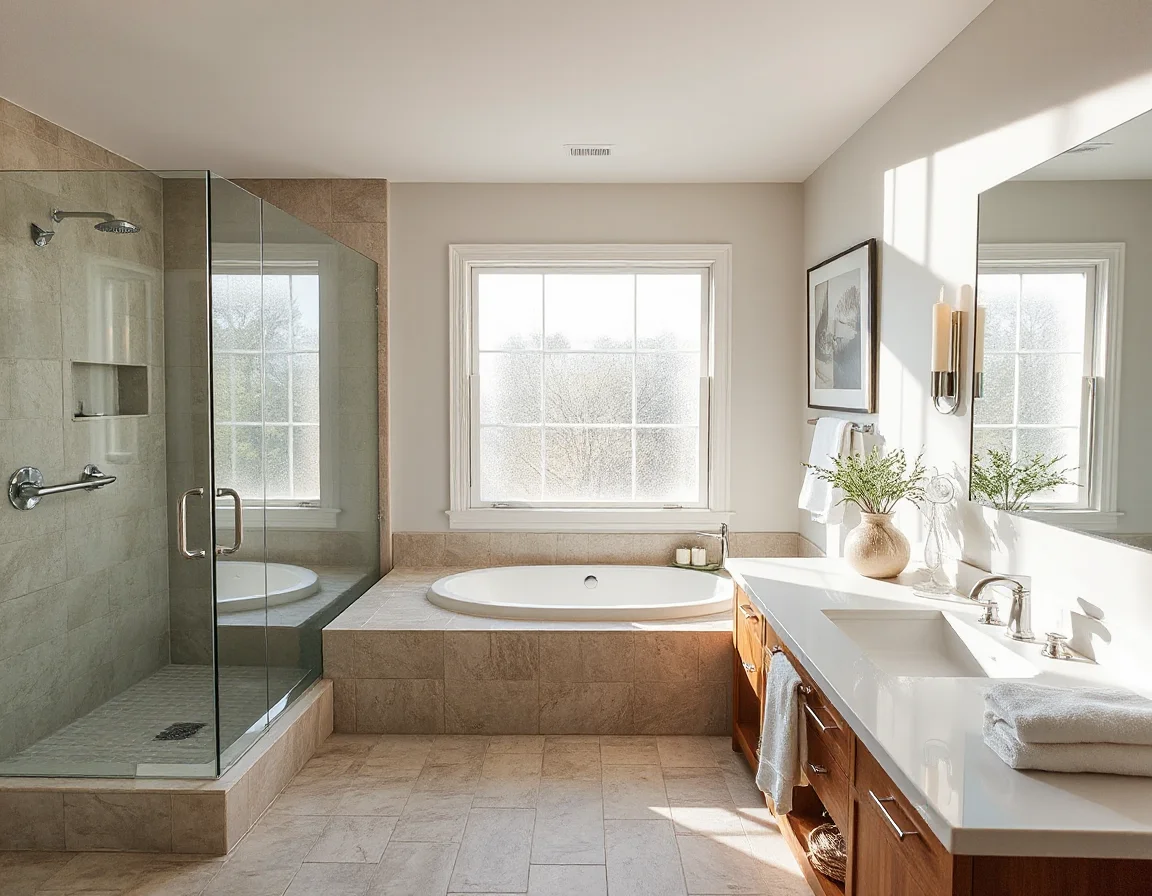
Kitchens, bathrooms, main living areas, and primary bedrooms often receive especially close attention because they are central to everyday life. Begin with cleaning rather than remodeling. Degrease kitchen surfaces, polish fixtures, clear counters, clean inside appliances, and organize the pantry if it may be viewed. In bathrooms, refresh towels, remove personal products, clean grout and glass, and repair any minor issues around faucets or drains.
In living rooms and bedrooms, create clear pathways and let natural light do more of the work. Remove furniture that interrupts movement, store seasonal items, and make closets easier to understand by reducing their contents. Storage matters to buyers, and a neatly edited closet or cabinet helps communicate usable space more effectively than a full one.
Clean, bright, and functional usually communicates more than expensive décor. When buyers can move through a space easily, they can focus on how the home may work for them.
Odors deserve careful attention as well. Address the source rather than trying to cover it with strong fragrances. Regular cleaning, laundering soft goods, airing out rooms, and attending to pets, trash, or damp areas can make a meaningful difference. If you are unsure whether an odor is noticeable, ask for candid feedback from a trusted visitor or your real estate team.
Document Condition and Plan for Showings
Once preparation is underway, gather the materials that help answer common buyer questions. Depending on your home, that may include manuals, warranty information, permits, receipts for significant improvements, utility details, or notes about service providers. Your agent can help you decide what is useful to have ready and how to present information appropriately.
It is also wise to think through the logistics of showings before the listing goes live. Create a simple routine for putting away pet supplies, managing valuables and medications, clearing counters, and turning on lights. Have a plan for children, pets, remote-work equipment, and parking. A predictable routine reduces stress and makes it easier to keep the home ready when viewing opportunities arise.
Professional photography is the next important step. Photos should reflect the home as it will be experienced in person, which is why cleaning, decluttering, and staging choices should happen before the camera arrives. Discuss which spaces, exterior features, or property details should receive special attention so the visual story is accurate and compelling.
Have a Thoughtful Pricing Conversation
Preparation and pricing work together, but they are not the same decision. A price should be discussed in the context of the home’s location, condition, features, competition, and recent relevant activity—not based on a single online estimate or a neighbor’s list price. Your home’s updates, layout, lot, maintenance, and overall presentation can all affect how it compares with other properties.
A professional home-value discussion is an opportunity to review the facts, ask questions, and understand possible positioning strategies. It should include honest conversation about the condition buyers will see, the preparation you are willing to complete, and the tradeoffs involved in different approaches. No one can responsibly promise a particular price, timeline, or outcome, but a clear strategy can help you make informed decisions.
Ask your agent to explain the comparisons being considered, what distinguishes your home, and how feedback will be evaluated once the property is available for showings. This keeps the conversation focused on your goals and on information that can support a reasoned decision.
Take the Next Step With Blanton Real Estate Group
Preparing your Hickory, NC home for sale is easier when you have a clear sequence: assess the property, address visible priorities, simplify the presentation, and then discuss pricing and launch strategy. You do not have to guess which projects matter most or try to manage every decision alone.
When you are ready for a professional home-value discussion, contact Blanton Real Estate Group. Our team can help you evaluate your home’s current presentation, identify practical next steps, and create a selling plan that reflects your property and priorities.